

The Importance of Inline Pressure Measurement in CO₂ EOR Operations
Accurate and timely data from inline pressure transmitters help operators prevent formation damage and reduce reservoir formation fracturing risks throughout supercritical CO₂ injection for oil recovery. Pressure monitoring protects the reservoir from exceeding its fracture gradient, which can occur during supercritical carbon dioxide flooding or when applying oil recovery efficiency improvement methods in tight or low-permeability reservoirs.
Reservoir formation safety protocols rely on inline pressure transmitters to deliver continuous feedback, supporting essential safety measures for CO₂ injection. These devices are indispensable in risk management for explosive gases in oil production. They provide early warning for elevated pressure that could lead to the release of flammable or explosive gases, thus aiding in handling flammable and explosive gases in oil fields. Operational teams gain reliable process control over oil production wells versus injection wells, which is essential for preventing formation damage in oil recovery and for maintaining field operations efficiency and safety.

Understanding Enhanced Oil Recovery and Supercritical CO₂ Injection
Enhanced oil recovery techniques are vital for extracting additional crude from mature or low-permeability reservoirs, where primary and secondary methods reach their limits. These advanced approaches focus on maximizing oil yield by altering reservoir conditions and fluid properties. One principal mechanism is supercritical CO2 injection for oil recovery, which leverages the unique properties of CO2 at supercritical conditions—where it behaves both like a liquid and a gas. This allows deep penetration within pore spaces, especially effective in low permeability reservoir management. Enhanced oil recovery with CO2 flooding improves oil displacement, supporting higher extraction rates that would otherwise be unattainable with traditional methods.
Supercritical Carbon Dioxide Flooding
Supercritical carbon dioxide flooding involves injecting CO2 into the reservoir at temperatures and pressures exceeding its critical point, which enhances its ability to mix with crude oil. Once injected, supercritical CO2 provides exceptional penetration due to its low viscosity and high diffusivity. The miscibility between supercritical CO2 and crude results in crude oil viscosity reduction, making it easier for oil to flow toward production wells. This process is a core oil recovery efficiency improvement method. Efficient miscibility not only mobilizes oil trapped in tiny pore spaces but also reduces residual oil saturation, leading to improved recovery in otherwise tight reservoirs. Precise injection strategies and constant injection pressure optimization are critical to maintaining stable CO2 flooding performance and preventing unwanted reservoir formation fracturing risks.
Production Wells vs Injection Wells
In enhanced oil recovery operations, understanding the distinct operational roles of oil production wells vs injection wells is essential for efficient reservoir performance. Injection wells are dedicated to transporting supercritical CO2 into the reservoir, maintaining uniform pressure distribution and ensuring optimal sweep efficiency. Constant injection pressure optimization in these wells also acts as a safety measure for CO2 injection by regulating reservoir pressure, preventing the risk of unintended fracturing and safeguarding reservoir formation integrity. Conversely, production wells are engineered for extracting mobilized crude, and their performance is intricately linked to pressure management in injection zones. Effective coordination between production and injection wells is fundamental for managing reservoir pressure during enhanced oil recovery, improving oil recovery in tight reservoirs, preventing formation damage, and balancing field operations efficiency and safety. Operations must also adhere to rigorous reservoir formation safety protocols and risk management strategies for handling flammable and explosive gases in oil production environments.

Enhanced Oil Recovery
*
Lonnmeter Inline Pressure Transmitters
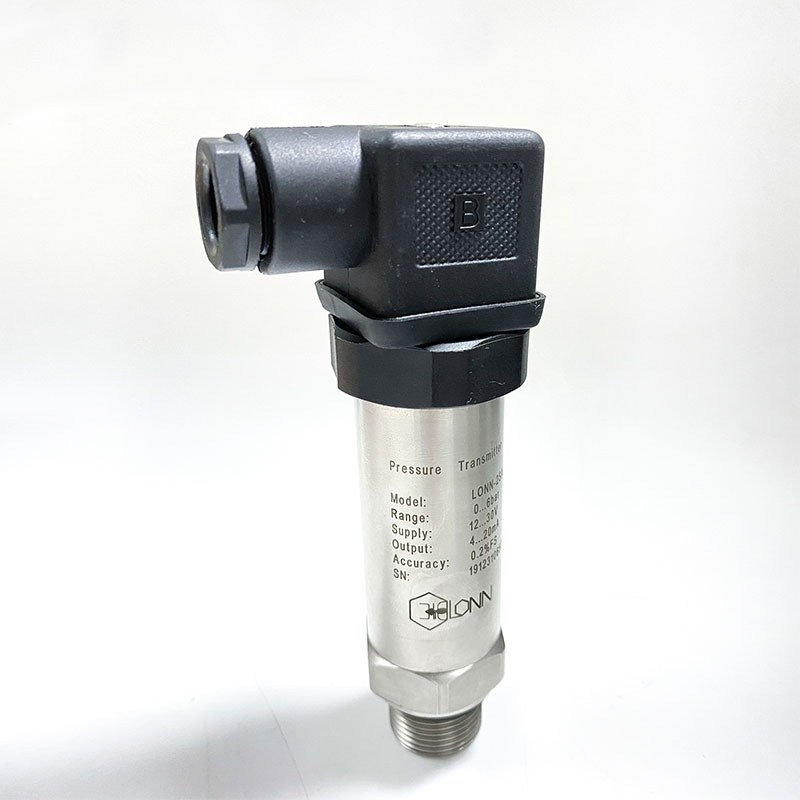
Lonnmeter inline pressure transmitters are engineered for real-time pressure monitoring in critical applications of enhanced oil recovery with CO₂ flooding. Their precision and response speed enable constant injection pressure optimization, allowing for safe and effective supercritical CO₂ injection. Operators use these devices to maintain pressure within specified thresholds, ensuring that reservoir integrity is preserved through integrated reservoir formation safety protocols.
The transmitters’ robust design makes them suitable for continuous operation alongside other inline tools. They integrate seamlessly with Lonnmeter’s inline concentration meters, inline density meters, inline viscosity meters, inline level transmitters, and inline temperature transmitters. This interoperability supports a comprehensive process control strategy, spanning oil production wells, injection wells, and managing low permeability reservoir cycles.
Lonnmeter pressure transmitters offer high-fidelity measurements that improve both field operations efficiency and safety. For example, during operations involving tight reservoir management, real-time pressure data is vital to coordinating injection schedules, managing pressures across well networks, and executing crude oil viscosity reduction methods safely. By facilitating constant injection pressure optimization, Lonnmeter transmitters support techniques for reducing crude oil viscosity and maximising recovery while mitigating risks associated with pressure excursions, formation fracturing, and hazardous gas release.
Integration of Inline Instrumentation Throughout the EOR Process
Value of Inline Measurement Systems in EOR
Inline measurement systems play an essential role in optimizing enhanced oil recovery techniques, especially in processes using supercritical CO₂ injection for oil recovery. Inline density meters and viscosity meters, like those produced by Lonnmeter, provide real-time data essential for verifying crude oil viscosity reduction methods. This verification helps operators adjust injection parameters to maximize the efficiency of CO₂ flooding and improve oil recovery in tight reservoirs.
Temperature transmitters supply needed feedback for thermal stability, critical during supercritical carbon dioxide flooding, as fluctuations can impact low permeability reservoir management. Inline concentration meters deliver continuous monitoring, supporting safety measures for CO₂ injection and reducing risks associated with handling flammable and explosive gases in oil fields.
The use of accurate, real-time data from these meters enables proactive risk management for explosive gases in oil production and helps prevent formation damage by enabling reservoir formation safety protocols. Inline instrumentation assists in managing reservoir pressure during enhanced oil recovery, offering instantaneous insights that operators use to prevent reservoir formation fracturing risks and ensure field operations efficiency and safety. This data-driven approach supports oil recovery efficiency improvement methods and techniques for reducing crude oil viscosity.
Recommended Installation Placements of Inline Pressure Transmitters
Strategic installation of inline pressure transmitters is vital for optimizing constant injection pressure and maintaining operational safety throughout the EOR process. Placing transmitters at the CO₂ injection line entry points of both oil production wells and injection wells allows for precise monitoring and adjustment, crucial for comparing performance in oil production wells vs injection wells.
Reservoir entry points are optimal locations for monitoring and managing reservoir pressure during enhanced oil recovery, as these can quickly indicate potential formation damage and enable rapid intervention in case of pressure anomalies. Installations along output lines from the reservoir are key for continuous monitoring of field operations efficiency and safety, providing actionable feedback that supports ongoing process optimization and risk mitigation measures.
Proper instrumentation placement, combined with data from devices such as Lonnmeter inline density and viscosity meters, ensures effective enhanced oil recovery with CO₂ flooding while safeguarding reservoir integrity and operational personnel.

Driving Efficiency and Cost Reduction with Inline Pressure Measurement
Accurate, real-time inline pressure measurement is critical when deploying enhanced oil recovery techniques such as supercritical CO₂ injection for oil recovery. With precise feedback from pressure transmitters installed in key locations, field teams can continuously optimize constant injection pressure, a practice proven to prevent reservoir formation fracturing risks while maintaining maximum throughput. High-frequency data empowers operators to fine-tune supercritical carbon dioxide flooding, supporting improved oil recovery in tight reservoirs and minimizing the risk of formation damage, especially in low permeability reservoir management settings. This active approach boosts operational efficiency and crude oil viscosity reduction methods, as it allows direct response to changing reservoir conditions—a necessity for advanced oil recovery efficiency improvement methods.
Optimizing injection pressures with inline sensors also enables cost control. Operators reduce costly downtime through rapid anomaly detection and immediate action, preventing loss stemming from unsafe pressure spikes or drops. Accurate measurements minimize crude loss and directly lower operational expense by extending the effective lifespan of oil production wells versus injection wells. Inline pressure management enhances reservoir formation safety protocols by maintaining defined operating parameters, protecting the formation from excessive stress and supporting sustainable, decarbonized operation practices. Continuous monitoring with reliable devices such as Lonnmeter’s inline measurement instruments greatly reduces the likelihood of costly incidents triggered by handling flammable and explosive gases in oil fields.
Integrated risk management is also enhanced by inline pressure transmitters. Operators gain the ability to identify, isolate, and mitigate risks associated with explosive gases, thereby reducing liabilities and ensuring compliance with stringent safety measures for CO₂ injection. Real–time data support robust reservoir pressure management during enhanced oil recovery operations, helping prevent unintentional formation damage and supporting protocols to protect personnel and assets. In sum, continuous, reliable pressure monitoring supports both cost reduction and efficiency improvement, driving field operations to higher yields, safer practices, and more resilient asset performance.





Frequently Asked Questions (FAQs)
Q1: Why is real-time inline pressure monitoring crucial in supercritical CO₂ enhanced oil recovery?
Real-time inline pressure monitoring is essential for managing reservoir pressure during enhanced oil recovery with CO2 flooding. Continuous monitoring safeguards against formation fracturing risks by keeping injection pressures within safe limits and complying with reservoir formation safety protocols. This is especially important when handling flammable and explosive gases in oil fields, as it prevents hazardous incidents and supports field operations efficiency and safety. Additionally, timely data allows for quick adjustments to maintain the pressure range needed for effective supercritical CO2 injection for oil recovery, supporting oil recovery efficiency improvement methods.
Q2: How do inline pressure transmitters differ from other instruments in low permeability reservoir management?
Inline pressure transmitters, unlike periodic or offline devices, provide direct, continuous readouts of injection and reservoir pressures. This capability enables constant injection pressure optimization, which is vital for low permeability reservoir management. When paired with inline temperature meters and viscosity meters—such as those manufactured by Lonnmeter—the operator receives comprehensive data relevant to enhanced oil recovery techniques. This combination is instrumental in assessing how operational changes impact crude oil viscosity reduction methods and reservoir response in real time.
Q3: What risks are mitigated by using inline pressure monitoring systems during CO₂ flooding?
Inline pressure monitoring systems actively prevent formation damage by avoiding excessive pressure build-up, which may otherwise cause reservoir fracturing. They also help in risk management for explosive gases in oil production, as real-time data facilitates immediate responses to unexpected pressure surges. Continuous monitoring limits uncontrolled CO₂ migration, supporting improved safety measures for CO2 injection and overall field operations efficiency and safety in enhanced oil recovery with CO2 flooding.
Q4: Can inline pressure transmitters improve oil recovery in tight reservoirs?
Yes. Inline pressure transmitters enable operators to maintain the pressure conditions required for successful supercritical carbon dioxide flooding. This precise control leads to more effective crude oil viscosity reduction, amplifying displacement and increasing oil yields in tight reservoirs. Optimization based on real-world data means improved enhanced oil recovery techniques and better oil recovery efficiency improvement methods during supercritical CO2 injection for oil recovery.
Q5: What installation recommendations exist for inline pressure transmitters in EOR applications?
Transmitters should be installed along CO₂ injection lines, at reservoir entry points, and adjacent to production wells vs injection wells. Such positioning maximizes monitoring coverage, mitigates reservoir formation fracturing risks, and enforces reservoir formation safety protocols. These installation strategies are essential for maintaining safe handling of flammable and explosive gases in oil fields, ensuring both operational integrity and oil recovery efficiency. Strategic placement also aids in preventing formation damage in oil recovery and supports constant injection pressure optimization.
Post time: Jan-14-2026


